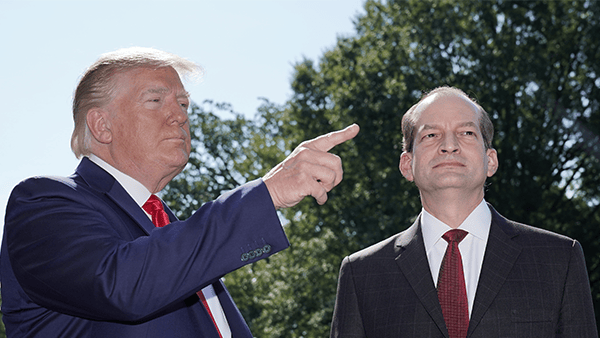
The resignation of Labor Secretary Acosta on Friday has brought the number of cabinet-level departures to nine—more than any of the Trump administration’s five predecessors. Kathryn Dunn Tenpas, author of the Brookings turnover tracker, explores why turnover has been so high and the disruptive effect it has had on policymaking.
Women have never exceeded 40% of senior positions at the State Department or 20% of senior positions at the Department of Defense. Tamara Cofman Wittes of Brookings and Heather Hurlburt of the New America Foundation explain how their new initiative, the Leadership Council of Women in National Security, is working to improve gender diversity in America’s national security leadership, beginning with the 2020 presidential race.
Following President Trump's retreat this week, William Frey explains what the country gains, and prevents, from the citizenship question not appearing on the forthcoming census.
As the House Judiciary and Intelligence Committees prepare to receive testimony from former special counsel Robert Mueller in one of the most high-profile hearings in years, Margaret Taylor makes the case for a format that is more meaningful and understandable both for members of Congress and those watching.
Meanwhile, Quinta Jurecic writes that rather than depending on Mueller to lead, “Congress needs to think systematically about what it wants to get out of the former special counsel’s testimony and how that goal fits into its broader agenda in the wake of the Russia investigation.”
After Kim Darroch’s resignation, Benjamin Wittes recalls a conversation with the British ambassador on the Lawfare podcast to highlight the importance of the private diplomatic communications of America's allies.
The conclusions and recommendations of any Brookings publication are solely those of its author(s), and do not reflect the views of the Institution, its management, or its other scholars.
The Brookings Institution 1775 Massachusetts Ave NW Washington, DC 20036