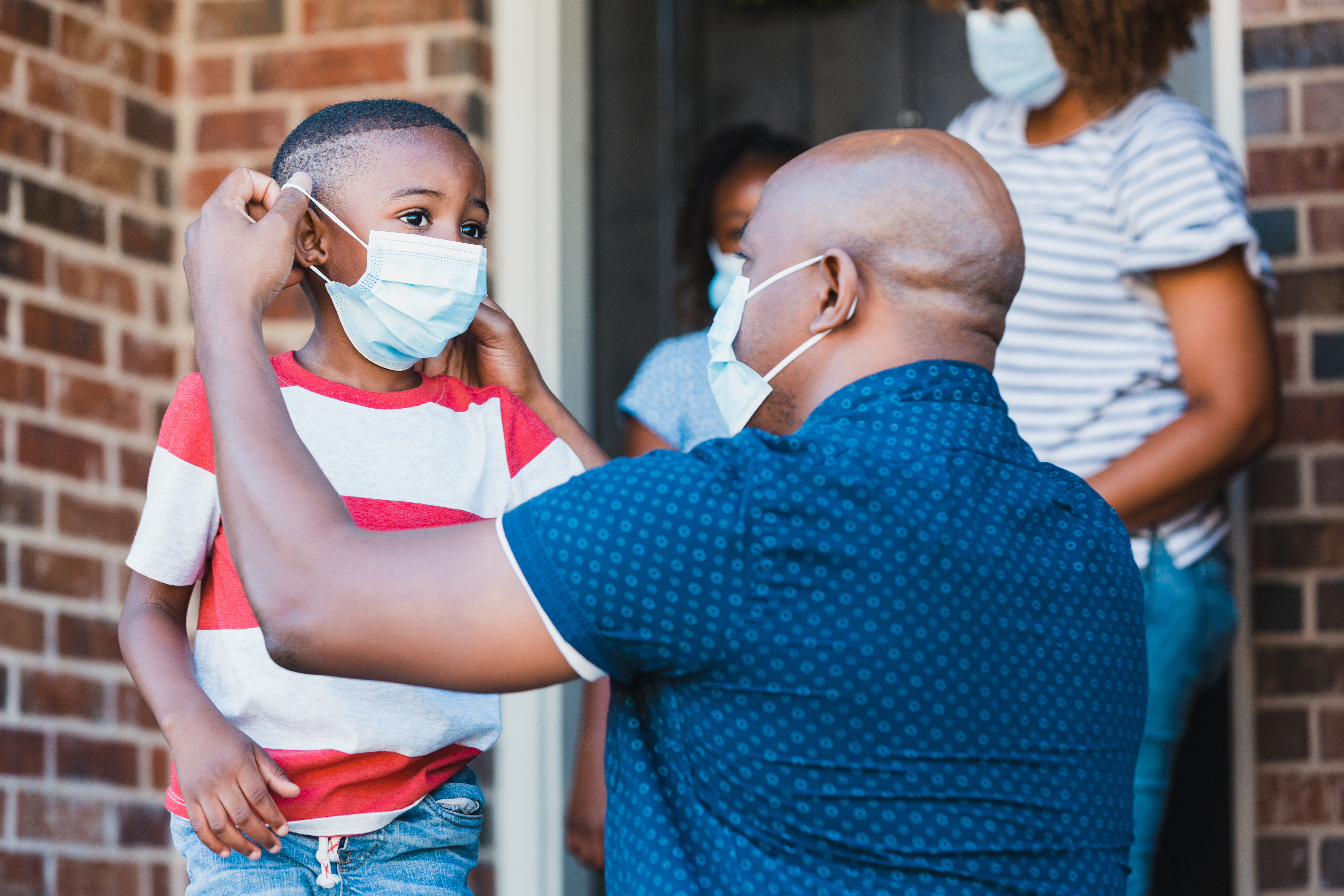
"COVID-19 has exposed and further highlighted existing racial inequality across economic and health status," write Bradley Hardy and Trevon Logan in a new report examining the impact of the coronavirus on Black Americans.
A new poll found that one third of Americans won't take a COVID-19 vaccine when it becomes available. Robert Litan suggests paying vaccine recipients to reach the 80% inoculation threshold for herd immunity.
After years of review, the Federal Reserve plans to revise its "Statement on Longer-Run Goals and Monetary Policy Strategy." Learn about the Fed's current monetary policy strategy and how it might be improved in this overview of Brookings research on the subject.
The middle class time squeeze.Isabel Sawhill and Katherine Guyot trace the history of working time and identify policy changes that could help the middle class manage the "time squeeze" between work, leisure, and family.
Policies to broaden participation in the innovation process. Gender and racial disparities exist at each stage of the innovation process: education and training, the practice of invention, and commercialization of invention. Lisa D. Cook's new report looks at how to close those gaps.
COVID-19 has left vulnerable populations exposed. The racialized outcomes of the pandemic are not just contemporary, but the continuation of a legacy of racial and ethnic socioeconomic inequality, write Jevay Grooms, Alberto Ortega, and Joaquin Alfredo-Angel Rubalcaba in a new blog post for the Hamilton Project.
The Brookings Institution campus in Washington, D.C. will be closed through at least January 4, 2021. For more information, read our full guidance here. As Brookings experts continue to assess the global impacts of COVID-19, read the latest analysis and policy recommendations at our coronavirus page or stay up to date with our coronavirus newsletter.
The Brookings Institution, 1775 Massachusetts Ave NW, Washington, DC 20036