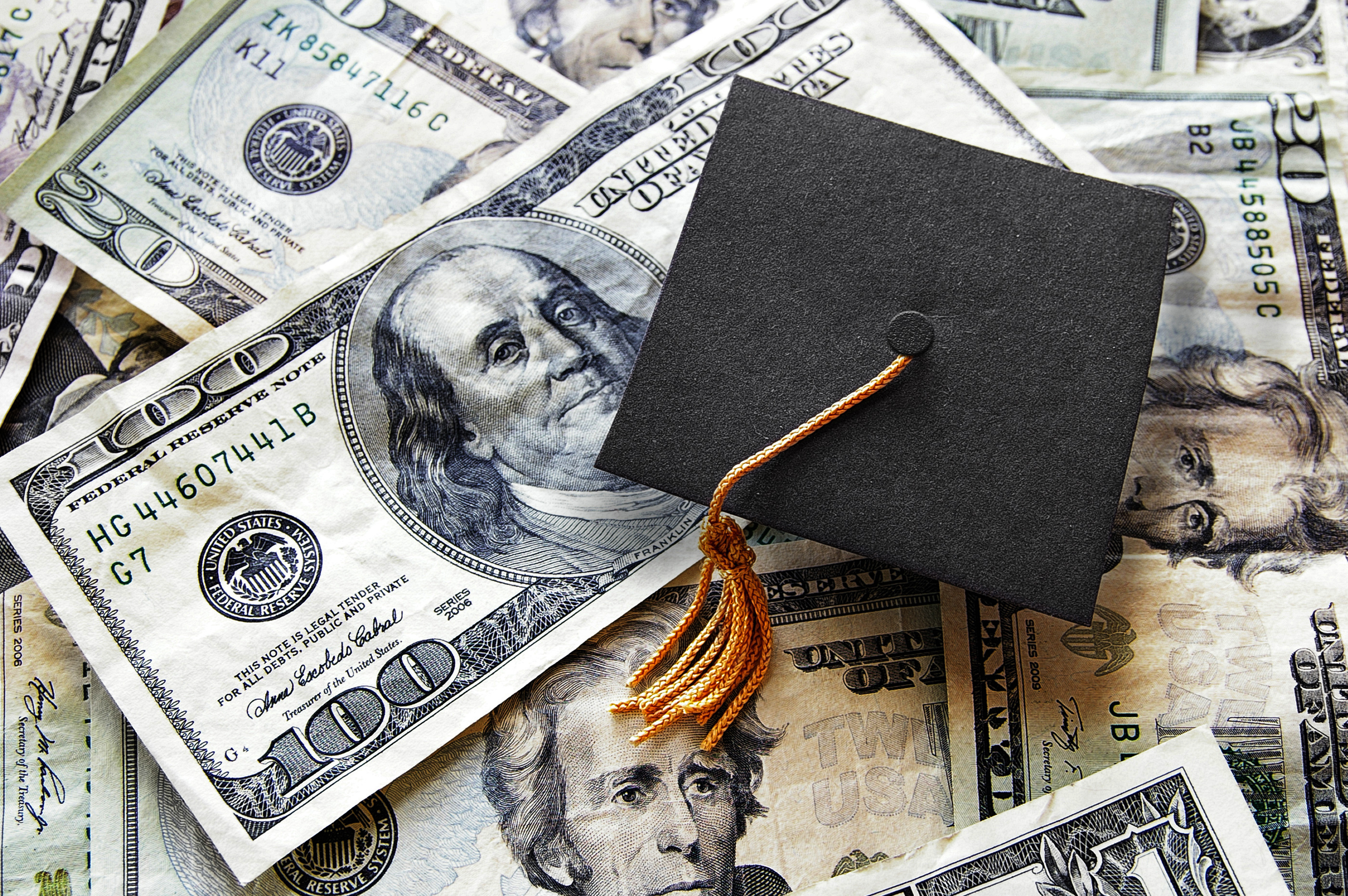
With COVID-19 causing a massive jump in unemployment, what is the government doing to help the one out of eight Americans with student loan debt? Caitlin Brandt, Louise Sheiner, and Kadija Yilla detail the actions taken so far.
"The U.S. economy is in a recession, and without smart policy, could stay in one for a protracted amount of time." Jay Shambaugh calls on policymakers to leverage data in their responses to the coronavirus.
Stephanie Aaronson and Francisca Alba look at economic shocks from recent history for insight into how COVID-19's economic impacts may play out at the metropolitan level.
The economic costs of reopening too soon. Among the potential consequences of reopening the economy too soon could be disruptive "on again off again shutdowns," says Harry Holzer. His new op-ed recommends an alternative approach.
What is work sharing and how can it help the labor market? Research estimates that work sharing, or "short-time compensation," could have saved up to one in eight of net jobs lost during the Great Recession. The Hamilton Project builds on existing research to break down this unemployment insurance program in the context of the coronavirus pandemic.
States should replace grab-and-go school meals with cash to families. Lauren Bauer and Diane Schanzenbach argue that "it is time to rip off the band aid and adopt a sustainable and public-health conscious solution to the school meals program," to preserve public safety and school children’s food security.
The Brookings Institution campus in Washington, D.C. will be closed through at least June 1. For more information, read our full guidance here. As Brookings experts continue to assess the global impacts of COVID-19, read the latest analysis and policy recommendations at our coronavirus page or stay up to date with our coronavirus newsletter.
The Brookings Institution, 1775 Massachusetts Ave NW, Washington, DC 20036